Wendy Chamberlain MP Holds Debate on Failings in Academic Technology Approval Scheme
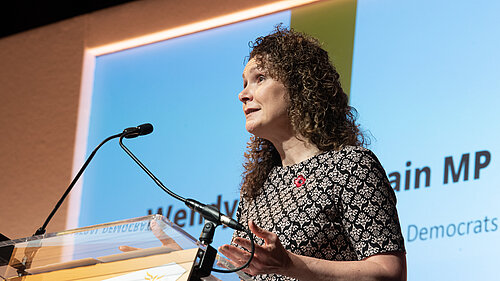
Wendy Chamberlain, Liberal Democrat MP for North East Fife, held a Westminster Hall debate to highlight serious failings in the Academic Technology Approval Scheme (ATAS), a system affecting academics and researchers applying for UK visas.
While ATAS is intended to protect national security, the way it is currently administered is causing unnecessary distress, confusion and prolonged delays for applicants, with real consequences for individuals, universities and the UK’s global reputation as a destination for research and innovation.
The debate was prompted by a deeply distressing constituency case, which exposed wider systemic problems within ATAS and the lack of accountability surrounding the scheme.
During the debate, Chamberlain raised a number of key concerns, including excessive delays well beyond the scheme’s stated 30-day target. Constituents and institutions have reported waiting times stretching to several months, with no mechanism to escalate cases, even where urgent or compassionate grounds exist.
She also highlighted the lack of dedicated contact routes for MPs. There is no MP hotline or named ATAS contact, leaving parliamentarians unable to intervene effectively, even in exceptional circumstances.
Further concerns include a lack of basic awareness within government. When Chamberlain contacted the Foreign, Commonwealth and Development Office, frontline staff and even ministers appeared unaware that ATAS sat within their department, raising serious questions about oversight and accountability.
The scheme also operates with no formal compassionate or discretionary process, meaning applicants facing bereavement or extreme personal circumstances have no means of requesting urgent consideration.
Wendy Chamberlain MP hopes the debate will prompt urgent reforms to ensure ATAS operates in a way that protects security without undermining fairness, compassion or the UK’s ability to attract world-leading talent.
Speaking about his experience, a University of St Andrews academic said:
“Even after my case was formally escalated and my father’s death officially verified, I could not understand why there was no provision for short, compassionate travel without my entire application being treated as withdrawn.
“It was deeply distressing to be unable to leave the country, even briefly, when the compassionate grounds were clear and formally acknowledged, and when reapplying from abroad was not a realistic option either professionally or financially.
“I genuinely love this country and always speak with pride about its values and institutions. That is precisely why this aspect of the process was so difficult to understand, and why I hope that sharing my experience might help inform more humane and workable arrangements in the future for others in similar circumstances.”
The University of St Andrews added:
“At peak times of year, particularly over the summer, the timescales for ATAS decisions are simply excessive. We have seen postgraduate students waiting up to 16 weeks, causing significant stress and uncertainty.
“While processing times have improved to around eight to ten weeks, seasonal delays remain a persistent problem.
“These delays have serious knock-on effects. Universities cannot issue a Confirmation of Acceptance to Study until ATAS clearance is granted, which in turn prevents students from applying for visas and can delay or even jeopardise their start dates.
“Too often, when delays occur, there is no clear or effective way to contact ATAS to seek updates or prompt a decision, leaving students and institutions in limbo.”
Speaking after the debate, Chamberlain said:
"I'm disappointed that the minister didn't commit to updating the House on any changes made, but I'm encouraged that the points I raised were taken on board and will be shared with the minister who oversees ATAS.
“ATAS may sound like a technical process, but its failures have very real human consequences.
“Academics and researchers are being left in limbo for months, with no clear information, no route to escalate urgent cases, and no compassionate consideration of personal circumstances.
“If the government is serious about attracting global talent, it must ensure visa-related systems are transparent, accountable and humane – and that MPs can properly engage with them on behalf of their constituents.”